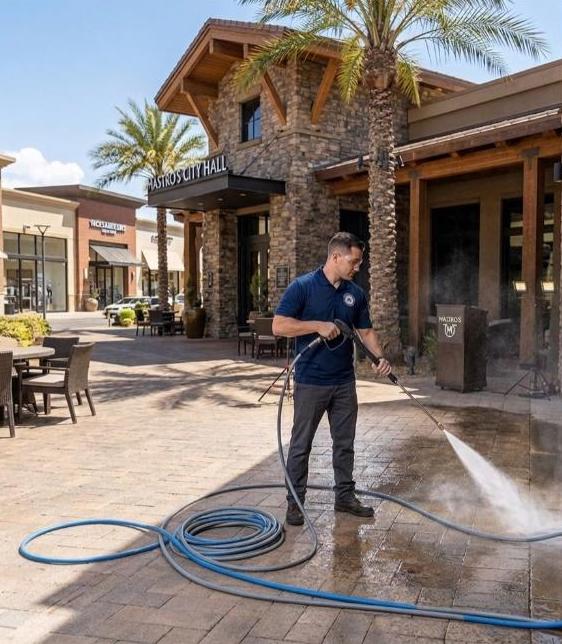

As a commercial property manager in Phoenix, AZ, navigating the nuances of site maintenance can be complex, especially when it comes to environmental regulations. One area often overlooked, yet critically important, is stormwater compliance for parking lot pressure washing. The Environmental Protection Agency (EPA) sets forth stringent guidelines to prevent pollutants from entering our waterways, and non-compliance can lead to significant penalties for your business.
When you hire a contractor for routine maintenance, it’s not just about getting the job done; it’s about ensuring they adhere to Best Management Practices (BMPs) that protect your property from fines and uphold environmental standards. At AZ Power Clean, we understand these complexities firsthand, especially when it comes to essential services like parking lot cleaning.
Understanding Stormwater Regulations in Phoenix, AZ
The Clean Water Act (CWA) is the backbone of federal regulations aimed at protecting water quality. Under the CWA, the National Pollutant Discharge Elimination System (NPDES) permit program controls discharges into U.S. waters. For commercial properties, this means any water runoff from activities like pressure washing must be managed to prevent contamination.
Locally in Phoenix, the city’s stormwater ordinances reinforce these federal mandates, prohibiting the discharge of pollutants into the municipal storm sewer system. This isn’t just about large industrial operations; it applies directly to the everyday maintenance of your commercial parking lot.
The EPA’s Role and Local Impact
The EPA, through its various programs, monitors and enforces water quality standards. For pressure washing, the key concern is what’s known as “illicit discharge.” This refers to any discharge into a storm drain system that is not composed entirely of stormwater. Wash water from pressure cleaning, especially when it contains detergents, oil, grease, or other debris, is considered an illicit discharge if not properly managed.
Local municipalities, including Phoenix, are tasked with implementing and enforcing these regulations. This means that inspectors can, and do, audit commercial properties. If they find evidence of improper discharge from pressure washing activities, your property could be held liable.
💡 Key Takeaway: Discharging wash water from pressure cleaning directly into storm drains is almost always prohibited by federal and local regulations in Phoenix. Ignorance of the law is not an excuse for non-compliance.
Why Commercial Parking Lots Are a High-Risk Area
Commercial parking lots are naturally high-traffic zones that accumulate a variety of pollutants:
- Vehicle Fluids: Oil, grease, antifreeze, brake dust.
- Debris: Dirt, sand, leaves, trash, food waste.
- Chemicals: From spills, vehicle washing, or even the cleaning detergents themselves if not eco-friendly.
- Tire and Asphalt Particulates: Microscopic particles that can be harmful.
When these surfaces are pressure washed, these contaminants mix with the wash water, creating a polluted runoff. Without proper containment and treatment, this runoff flows directly into storm drains, which often lead untreated to rivers, lakes, and other natural waterways. This is why parking lot runoff compliance is so crucial.
Key Components of Compliant Pressure Washing
Ensuring compliance isn’t just about having good intentions; it requires a structured approach and specialized equipment. Here’s what a professional and compliant pressure washing service entails:
Pre-Cleaning Procedures
Before any water is applied, the area must be prepared. This usually involves:
- Sweeping and Debris Removal: Dry sweeping the entire area to remove loose dirt, trash, and larger debris. This minimizes the amount of contaminated water that needs to be collected.
- Blocking Storm Drains: Physically blocking or covering storm drain inlets to prevent any water from entering.
- Diverting Flow: Using berms or temporary barriers to direct wash water to a designated collection point.
Wastewater Capture and Containment
This is arguably the most critical step. Compliant pressure washing services utilize systems to actively capture and contain the wash water. Common methods include:
- Containment Booms/Berms: Flexible barriers that create a perimeter around the wash area to prevent runoff from escaping.
- Recovery Vacuum Systems: Industrial-grade wet vacuums that suck up the contained wash water as it’s being produced.
- Matting Systems: Large, impermeable mats placed under the washing area, often with inflatable edges, to create a sealed environment.
The goal is 100% containment – ensuring no wash water ever reaches a storm drain or seeps into the ground where it could contaminate groundwater.
Filtration and Proper Disposal
Once captured, the wastewater cannot simply be poured down a sanitary sewer without checking local regulations, nor can it be discharged onto the ground. It often requires treatment:
- On-site Filtration: Some advanced systems include multi-stage filtration units that clean the water on-site, removing sediments, oils, and other pollutants. The filtered water may then be disposed of responsibly.
- Off-site Disposal: For heavily contaminated water or when on-site treatment isn’t feasible, the captured wastewater is typically pumped into holding tanks and transported to an approved waste treatment facility for proper disposal. This is a common practice for commercial cleaning regulations.
💡 Key Takeaway: Effective wastewater capture and disposal are non-negotiable for compliant pressure washing. This often involves specialized equipment and a clear plan for where the contaminated water will go.
Chemical Use and Biodegradability
The type of cleaning agents used also plays a role in stormwater compliance. Using harsh, non-biodegradable chemicals exacerbates the pollution problem. Professional services prioritize:
- Eco-Friendly Detergents: Opting for biodegradable, phosphate-free, and non-toxic cleaning solutions that minimize environmental impact even if small amounts accidentally escape.
- Minimal Chemical Use: Employing high-efficiency pressure washers and techniques that reduce the need for excessive chemicals.
The Property Manager’s Exposure: Don’t Get Caught Off Guard
Many commercial property managers assume that once they hire a pressure washing contractor, the responsibility for compliance shifts entirely to the vendor. This is a dangerous misconception. Property owners and managers can, and often are, held jointly liable for environmental violations occurring on their property.
Fines for stormwater violations can be substantial. The EPA can levy penalties up to $50,000 per day per violation, depending on the severity and duration. Local fines, while possibly lower, can still be thousands of dollars, easily outweighing the cost savings of hiring a non-compliant, cut-rate service.
Beyond financial penalties, non-compliance can lead to:
- Legal Action: Lawsuits from environmental groups or local authorities.
- Reputational Damage: Negative publicity and damage to your business’s image as a responsible community member.
- Operational Interruptions: Stop-work orders until compliance issues are resolved.
It is your responsibility to vet any contractor you hire to ensure they have the proper equipment, training, and understanding of Phoenix’s stormwater regulations. Ask for their specific BMPs, how they capture water, and where they dispose of it. A reputable company like AZ Power Clean will be transparent and able to provide this information readily.
💡 Key Takeaway: Property managers are often held liable for environmental violations on their premises. Vetting contractors for stormwater compliance is crucial to protect your business from hefty fines and reputational damage.
Comparing Compliant vs. Non-Compliant Parking Lot Pressure Washing
To illustrate the difference, here’s a quick overview:
| Aspect | Compliant Practice (AZ Power Clean) | Non-Compliant Practice |
|---|---|---|
| Pre-Cleaning | Thorough sweeping and debris removal. | Minimal or no sweeping, direct spraying. |
| Wastewater Management | Full capture with berms, mats, and vacuum recovery systems. | Allows runoff to flow freely into storm drains or onto permeable surfaces. |
| Disposal Method | Wastewater filtered and properly disposed of at approved facilities or sanitary sewer (if permitted). | No proper disposal; wash water enters public waterways. |
| Chemicals Used | Eco-friendly, biodegradable, non-toxic detergents. | Harsh, non-biodegradable chemicals, potentially harmful. |
| Risk to Property Manager | Significantly reduced risk of fines, legal issues, or reputational damage. | High risk of substantial EPA/local fines, legal action, and negative public perception. |
Choosing a professional pressure washing service that prioritizes stormwater compliance is an investment in your property’s longevity and reputation. It ensures that your commercial space not only looks clean but also adheres to the environmental responsibilities mandated by law.
💡 Key Takeaway: Partnering with a compliant cleaning service like AZ Power Clean is your best defense against environmental penalties and ensures responsible maintenance of your commercial property.
Have questions about professional concrete cleaning in Phoenix? Give us a call today.
Frequently Asked Questions About Stormwater Compliance and Pressure Washing
What is stormwater runoff compliance for pressure washing?
Stormwater runoff compliance for pressure washing refers to adhering to federal (EPA) and local regulations that prevent polluted wash water from entering storm drains and, subsequently, natural waterways. This involves implementing Best Management Practices (BMPs) such as pre-cleaning, water containment, and proper disposal to protect water quality.
Can I just let wash water go down the storm drain in Phoenix?
No, almost universally, you cannot. Wash water from commercial pressure washing, especially if it contains detergents, oil, grease, or other debris, is considered an “illicit discharge” by the EPA and local Phoenix ordinances. Allowing it to enter storm drains can lead to significant fines and environmental damage.
What kind of fines can commercial properties face for non-compliance?
Commercial properties can face substantial penalties for stormwater violations. The EPA can impose fines of up to $50,000 per day per violation. Local Phoenix authorities can also issue significant fines, legal action, and even stop-work orders until the issues are resolved. Property managers can be held jointly liable with their contractors.
How does AZ Power Clean ensure compliance during pressure washing?
AZ Power Clean employs a multi-step compliance process. This includes thorough pre-sweeping, using eco-friendly detergents, setting up containment barriers (berms, mats), and utilizing advanced vacuum recovery systems to capture all wash water. The collected wastewater is then filtered and properly disposed of at approved facilities, ensuring zero illicit discharge into Phoenix’s stormwater system.