Understanding Concrete Surfaces: Characteristics and Common Issues
Concrete surfaces are the backbone of commercial properties throughout the Phoenix metro area, serving as parking lots, walkways, loading docks, and outdoor gathering spaces. These durable surfaces are prized for their strength, longevity, and cost-effectiveness, making them an ideal choice for businesses that experience heavy foot and vehicle traffic daily. However, despite their robust nature, concrete surfaces face unique challenges that can compromise both their appearance and structural integrity over time.
The most common issues affecting concrete include stubborn stains from oil, grease, and chemical spills, discoloration caused by UV exposure, efflorescence (white chalky residue), and surface cracking due to temperature fluctuations. In the Greater Phoenix area, these problems are exacerbated by extreme weather conditions—scorching summer temperatures exceeding 115°F, intense UV radiation, occasional monsoon rains, and dust storms that leave behind layers of fine desert sediment. These environmental factors accelerate surface deterioration and create an ongoing battle against grime accumulation.
Without proper maintenance and regular cleaning, concrete surfaces can develop unsightly stains that detract from your property’s professional appearance. More critically, neglected concrete can become hazardous when algae or mold growth creates slippery conditions, or when surface degradation leads to uneven areas that pose tripping risks. Understanding these characteristics helps property managers recognize why consistent care isn’t just about aesthetics, it’s about safety, functionality, and protecting your investment.
The Importance of Regular Maintenance for Commercial Properties
For commercial property managers in Phoenix, maintaining pristine concrete surfaces isn’t merely a cosmetic concern, it’s a strategic business necessity. Your property’s exterior creates the crucial first impression for customers, clients, and employees. Clean, well-maintained concrete surfaces communicate professionalism, attention to detail, and a commitment to providing a safe, welcoming environment. In contrast, stained, dirty, or deteriorating concrete suggests neglect and can negatively impact how visitors perceive your entire operation.
Beyond aesthetics, regular concrete maintenance directly contributes to safety compliance and liability reduction. Dirty concrete can harbor slippery substances, while deteriorating surfaces create tripping hazards that expose property owners to potential lawsuits. In today’s competitive Phoenix business environment, where companies vie for customers across industries ranging from retail to healthcare to hospitality, maintaining clean facilities can provide a meaningful competitive advantage.
Furthermore, proactive maintenance significantly extends the lifespan of concrete surfaces, delivering substantial long-term cost savings. Replacing deteriorated concrete is exponentially more expensive than maintaining existing surfaces through regular cleaning and protective treatments. By implementing a consistent maintenance program, property managers can avoid premature replacement costs while ensuring their facilities always present the professional image that modern businesses demand.
Professional Cleaning vs. DIY Approaches
While some property managers attempt in-house concrete cleaning, professional services deliver superior results with specialized equipment and expertise. Professional cleaning companies understand the nuances of different concrete finishes and can adjust their techniques accordingly, preventing damage that inexperienced cleaning might cause. This expertise proves especially valuable in Phoenix’s unique climate, where improper cleaning methods can accelerate surface deterioration.
Effective Techniques for Cleaning Concrete Surfaces
Maintaining pristine concrete requires understanding various cleaning techniques and selecting the appropriate method for your specific situation. The three primary approaches include mechanical cleaning (pressure washing), chemical treatments, and eco-friendly alternatives—each offering distinct advantages depending on the level of soiling, surface condition, and environmental considerations.
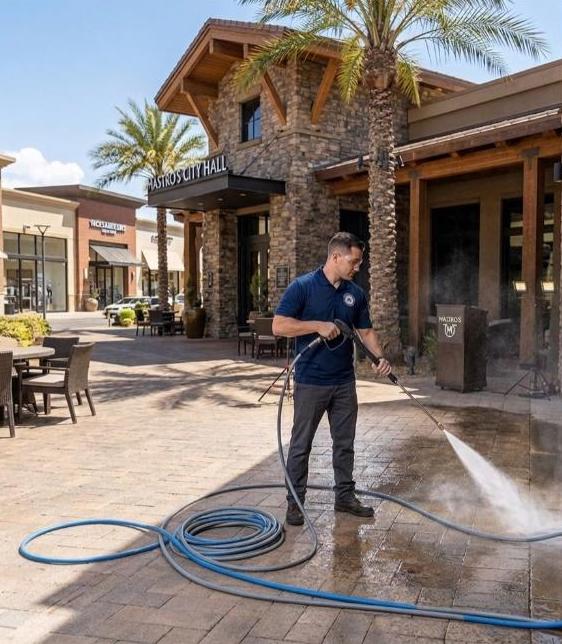
Pressure washing remains the most versatile and effective method for routine concrete maintenance, utilizing high-pressure water streams to remove dirt, grime, and light stains. This technique works exceptionally well for general cleaning and can be adjusted in pressure intensity to accommodate different concrete finishes without causing surface damage. For Phoenix properties dealing with accumulated dust and general dirt, pressure washing typically provides excellent results without harsh chemicals.
Chemical treatments become necessary when dealing with stubborn stains that water pressure alone cannot remove. Degreasers tackle oil and grease stains common in parking areas and loading zones, while acid-based cleaners address rust stains and efflorescence. However, chemical applications require professional expertise to ensure proper dilution, application time, and neutralization to prevent concrete etching or environmental harm.
Eco-friendly options have gained popularity as businesses increasingly prioritize sustainability. These solutions include biodegradable cleaning agents, steam cleaning, and enzymatic cleaners that break down organic stains without harsh chemicals. For Phoenix businesses committed to environmental stewardship, these methods offer effective cleaning while minimizing ecological impact—an important consideration in our desert environment where water conservation and environmental protection matter greatly.
Selecting the Right Cleaning Method
Choosing the optimal cleaning technique depends on several factors: the type and severity of soiling, the age and condition of the concrete, surrounding landscaping or structures, and environmental regulations. Property managers should assess their specific situation and consult with professional cleaning services to develop a customized approach that achieves optimal results while protecting both the surface and the environment.
Pressure Washing: A Powerful Method for Deep Cleaning
Pressure washing has earned its reputation as the gold standard for deep cleaning concrete surfaces, and for good reason. This method employs water pressurized to thousands of pounds per square inch (PSI), creating a powerful cleaning force that blasts away accumulated dirt, grime, mold, mildew, and many types of stains. For commercial properties in Phoenix, where dust storms and constant sun exposure create persistent cleaning challenges, pressure washing offers a reliable solution that restores concrete to near-original condition.
The effectiveness of pressure washing lies in its mechanical action—the high-velocity water physically removes contaminants without always requiring chemical additives. This makes it an excellent first-line approach for routine maintenance cleaning. Professional pressure washing equipment can be calibrated to deliver appropriate pressure levels for different applications, from delicate decorative concrete to heavy-duty industrial floors. Experienced technicians understand how to adjust pressure, nozzle distance, and water temperature to maximize cleaning power while preventing surface damage.
Timing plays a crucial role in pressure washing effectiveness. In Phoenix, early morning or evening sessions during cooler months prevent water from evaporating too quickly and allow cleaning solutions to work more effectively. During summer months, professional cleaners adjust their approach to account for extreme heat that can cause rapid drying and potentially stress concrete surfaces.
However, pressure washing requires expertise to avoid common pitfalls. Excessive pressure or improper technique can etch concrete surfaces, create visible lines or patterns, or drive water into cracks where it may cause further damage. Professional services possess the training and equipment to deliver consistent results without these issues, ensuring your concrete surfaces receive thorough cleaning without compromising their integrity.
Hot Water vs. Cold Water Pressure Washing
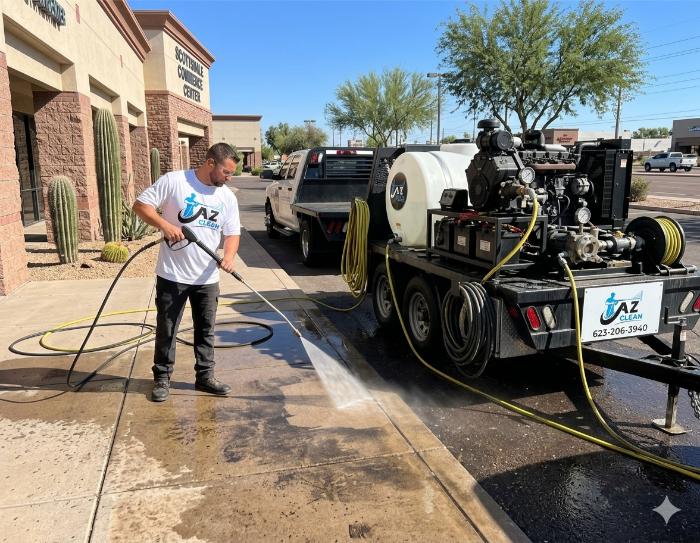
Hot water pressure washing provides enhanced cleaning power for especially stubborn grime, particularly oil and grease stains. The elevated temperature helps dissolve and emulsify oily substances more effectively than cold water alone. For Phoenix commercial properties with loading areas or parking lots prone to vehicle fluid leaks, hot water pressure washing delivers superior results and reduces the need for harsh chemical degreasers.
Preventative Measures: How to Keep Concrete Looking New
The most cost-effective approach to concrete maintenance involves preventing problems before they develop. Implementing preventative measures reduces the frequency and intensity of deep cleaning required, extends surface lifespan, and maintains your property’s professional appearance with minimal effort. These proactive strategies should form the foundation of every commercial property’s maintenance program.
Regular sweeping or blowing represents the simplest yet most impactful preventative measure. Phoenix’s frequent dust storms deposit fine sediment that, when mixed with moisture, creates stubborn stains and provides a growing medium for algae. Weekly sweeping of high-visibility areas and monthly attention to less-trafficked zones prevents this buildup before it becomes problematic. For larger properties, investing in mechanical sweepers provides efficient coverage and demonstrates commitment to cleanliness.
Entry mat systems capture dirt and moisture before they reach concrete surfaces, dramatically reducing the amount of grime tracked across your property. Installing commercial-grade mats at building entrances, parking garage entries, and other transition points protects surrounding concrete while reducing indoor cleaning requirements. In Phoenix’s dry climate, dust-trapping mats prove particularly effective at containing the fine desert particles that otherwise spread across entire properties.
Surface sealing provides long-term protection against stains, moisture penetration, and UV damage. Quality concrete sealers create a protective barrier that prevents oil, grease, and other substances from penetrating the porous concrete surface, making future cleanup significantly easier. In Phoenix’s intense sun, sealers also reduce UV-related fading and surface deterioration. Professional application every 2-3 years maintains this protective layer and keeps concrete looking newer longer.
Routine Inspections Prevent Major Problems
Scheduling quarterly concrete inspections allows property managers to identify and address minor issues before they escalate into expensive repairs. During inspections, look for new cracks, staining patterns, areas of standing water indicating drainage problems, and signs of surface deterioration. Early intervention on these issues prevents them from spreading and maintains surface integrity with minimal investment.
Dealing with Stains: Quick Fixes and Long-term Solutions
Concrete stains challenge even the most diligent property managers, but understanding different stain types and appropriate treatments makes these issues manageable. Oil and grease stains—common in parking areas and loading zones—require different treatment than rust stains or organic discoloration. Quick response significantly improves removal success rates, while long-term prevention strategies reduce recurring problems.
For fresh oil or grease spills, immediate action is critical. Absorbent materials like cat litter, sawdust, or commercial absorbent pads should be applied immediately to draw out as much oil as possible before it penetrates deeply into the concrete. After absorbing surface oil, apply a degreasing agent specifically formulated for concrete, allow appropriate dwell time, then pressure wash thoroughly. For Phoenix properties with high vehicle traffic, keeping spill response materials readily available ensures quick treatment of fresh stains.
Rust stains typically result from metal furniture, planters, or equipment left on concrete surfaces. These orange-brown discolorations require acid-based rust removers containing oxalic acid or similar compounds. Professional application ensures proper concentration and contact time while preventing damage to surrounding surfaces or vegetation. After rust removal, applying a sealer prevents future staining from similar sources.
Organic stains from leaves, berries, or algae growth respond well to oxygen-bleach solutions or specialized enzymatic cleaners. These treatments break down organic material without the harsh effects of chlorine bleach, which can discolor or damage concrete. In Phoenix’s climate, organic staining occurs less frequently than in humid environments, but irrigation overspray and landscape proximity can still create these issues.
Long-term Stain Prevention Strategies
Beyond immediate stain treatment, implementing long-term prevention measures saves considerable time and expense. Applying penetrating sealers creates a barrier against staining substances, while topical sealers provide surface protection with easier reapplication. Designating specific areas for activities likely to create stains—such as equipment maintenance or trash handling—allows focused protection of those zones. Regular cleaning schedules prevent stain-causing substances from remaining on concrete long enough to penetrate and become permanent.
Environmental Considerations: Choosing Eco-Friendly Cleaning Options
As environmental awareness grows among Phoenix businesses and consumers, selecting eco-friendly concrete cleaning methods has become both an ethical imperative and a business advantage. Sustainable cleaning practices protect our desert environment, conserve precious water resources, and align with the values of environmentally conscious customers and employees. Fortunately, effective concrete cleaning doesn’t require harsh chemicals that harm ecosystems or waste excessive water.
Biodegradable cleaning solutions have evolved dramatically, now offering cleaning power that rivals traditional harsh chemicals without environmental harm. These plant-based or naturally-derived products break down safely after use, preventing harmful runoff into storm drains and ultimately into Phoenix’s watershed. Many biodegradable cleaners work through enzymatic action or surfactant technology that lifts dirt and grime effectively while remaining safe for surrounding vegetation and wildlife.
Water conservation represents another critical environmental consideration in Phoenix’s arid climate. Professional cleaning services employ water reclamation systems that capture, filter, and reuse water during pressure washing operations. This technology dramatically reduces water consumption compared to traditional methods while maintaining excellent cleaning results. Some advanced systems recycle up to 90% of water used, making professional cleaning more water-efficient than many property managers realize.
Additionally, timing cleaning operations to avoid water waste proves important in our desert environment. Cleaning during cooler morning hours reduces evaporation losses and allows cleaning solutions to work more effectively with less product. Professional services understand these environmental considerations and incorporate them into their operational procedures, delivering clean results while demonstrating environmental stewardship.
Green Certifications and Sustainable Practices
Many commercial properties now pursue green building certifications or sustainable business designations that require environmentally responsible maintenance practices. Professional cleaning services familiar with these standards can document their eco-friendly methods, helping properties meet certification requirements. This documentation provides tangible evidence of your environmental commitment for marketing purposes and stakeholder communications.
Benefits of Hiring Professional Cleaning Services
While some property managers consider handling concrete cleaning in-house, partnering with professional exterior cleaning services delivers numerous advantages that typically outweigh cost considerations. Professional companies bring specialized expertise, commercial-grade equipment, insurance protection, and efficiency that in-house efforts struggle to match—especially for larger commercial properties or challenging cleaning situations.
Expertise represents perhaps the most significant professional advantage. Companies like AZ Power Clean understand concrete surface variations, appropriate cleaning methods for different situations, and how Phoenix’s unique climate affects cleaning approaches. This knowledge prevents costly mistakes that damage surfaces or fail to achieve desired results. Professionals also stay current with evolving cleaning technologies and environmental regulations, ensuring your property benefits from best practices.
Commercial-grade equipment delivers superior results compared to consumer-grade pressure washers and cleaning tools. Professional systems generate higher pressure with better control, heat water more effectively for stubborn grime, and include surface cleaners that prevent streaking or uneven cleaning patterns. This equipment investment—often totaling tens of thousands of dollars—makes economic sense for cleaning companies serving multiple properties but proves cost-prohibitive for individual property managers.
Safety represents another compelling reason to hire professionals. Pressure washing involves significant hazards, from equipment-related injuries to slip-and-fall risks on wet surfaces. Professional cleaning companies carry comprehensive insurance protecting property owners from liability, and their trained technicians follow established safety protocols that minimize accident risks. This protection proves especially valuable for commercial properties where liability exposure runs high.
Customized Service Approaches
Professional cleaning services develop customized maintenance plans tailored to each property’s specific needs, traffic patterns, and budget constraints. This personalized approach ensures you receive appropriate service frequency and intensity without paying for unnecessary cleaning or allowing surfaces to deteriorate between services. Professionals also maintain detailed service records, documenting cleaning history and surface conditions that inform future maintenance decisions.
Developing a Maintenance Schedule: When to Clean Your Concrete Surfaces
Creating an effective maintenance schedule requires balancing cleanliness standards, budget constraints, and practical considerations specific to your property and industry. While no single schedule fits all situations, understanding key factors that influence cleaning frequency helps property managers develop appropriate maintenance timelines that keep concrete surfaces pristine without unnecessary expense.
Property traffic volume directly impacts cleaning frequency requirements. High-traffic areas like main entrances, parking lot driving lanes, and pedestrian walkways require more frequent attention than peripheral zones. For Phoenix retail properties during busy seasons, monthly pressure washing of high-visibility areas maintains professional appearance, while quarterly service may suffice for less-trafficked zones. Industrial properties with heavy equipment traffic might require even more frequent cleaning to manage oil and grease accumulation.
Seasonal considerations significantly affect maintenance scheduling in Phoenix. Spring cleaning after winter dust buildup, pre-summer preparation to remove accumulated grime before extreme heat sets in, post-monsoon cleanup to address storm-related debris, and fall maintenance before holiday shopping seasons all represent logical scheduling opportunities. Coordinating cleaning with these natural transition points ensures properties look their best when it matters most.
Weather patterns should inform specific cleaning dates. Scheduling pressure washing during Phoenix’s cooler months (October through April) provides optimal conditions where water doesn’t evaporate instantly and technicians can work comfortably without extreme heat stress. Avoiding cleaning immediately before forecasted rain prevents wasted effort, while scheduling soon after dust storms addresses accumulation before it becomes problematic.
Sample Maintenance Schedule for Phoenix Commercial Properties
A typical Phoenix commercial property might implement this maintenance framework: high-traffic areas pressure washed monthly, moderate-traffic zones cleaned quarterly, low-traffic areas serviced twice annually, spot cleaning performed weekly for spills and immediate issues, and sealer reapplication every 2-3 years. This approach maintains consistent appearance while managing costs effectively. Property managers should work with professional cleaning services to refine schedules based on their specific situations and performance observations over time.