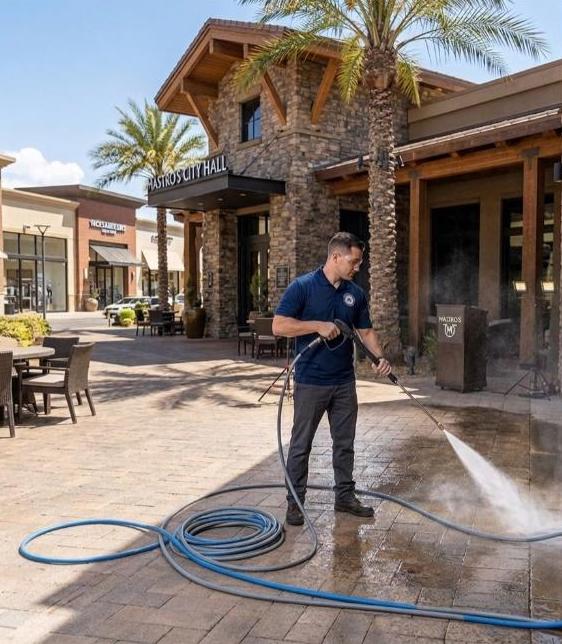
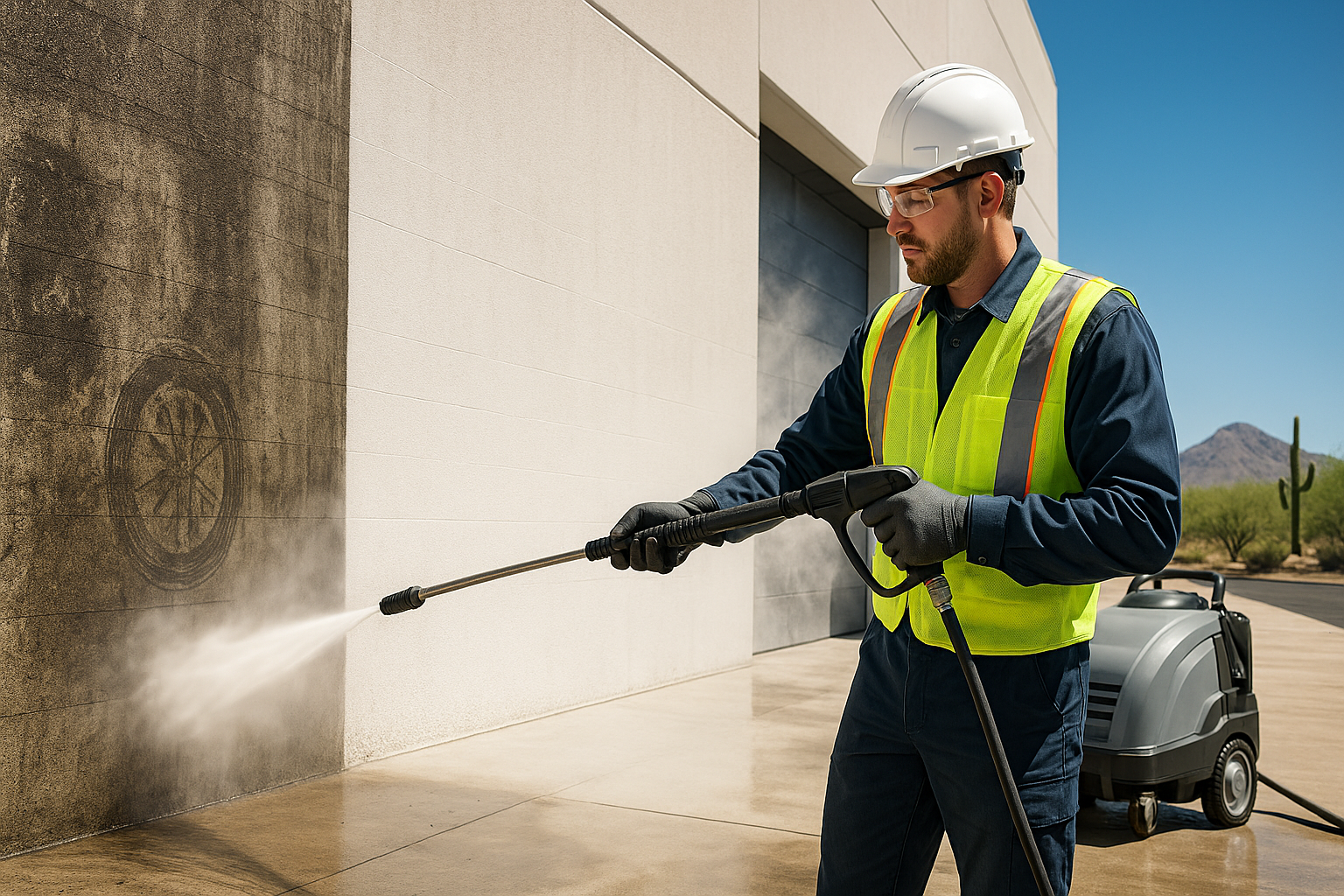
Maintaining a clean and safe environment is paramount for manufacturing facilities, especially in a bustling industrial hub like Phoenix, AZ. Beyond aesthetics, regular cleaning directly impacts operational efficiency, equipment longevity, and compliance with health and safety standards. However, the unique demands of a production-driven environment mean that traditional cleaning approaches often fall short. Professional pressure washing manufacturing facilities process needs to be meticulously planned to avoid disrupting critical operations.
At AZ Power Clean, we understand that every minute of downtime can translate to significant losses. That’s why our approach to industrial exterior cleaning goes beyond just blasting away dirt. We focus on strategic planning, precise execution, and careful coordination to ensure our services integrate seamlessly with your production schedules. For complex industrial cleaning projects, it’s crucial to understand the specialized equipment and techniques involved; you can learn more about how we tackle these challenges.
💡 Key Takeaway: Effective pressure washing for manufacturing facilities requires a deep understanding of production sensitivities and careful integration with existing operational schedules to minimize disruption and maximize safety.
Why Professional Pressure Washing is Essential for Manufacturing Facilities
Manufacturing environments are inherently prone to accumulating a variety of challenging contaminants. From grease and oil to chemical residues, dust, and general grime, these substances not only make a facility look neglected but also pose significant operational and safety risks. Regular, professional pressure washing is not just about curb appeal; it’s a critical component of a robust industrial maintenance schedule.
Understanding the Unique Needs of Manufacturing Facilities
Unlike commercial storefronts or residential properties, manufacturing plants have distinct cleaning requirements. The types of surfaces, the nature of contaminants, and the constant activity demand a specialized approach.
Types of Contaminants
Manufacturing facilities deal with a spectrum of challenging substances:
- Grease and Oil: Common in machinery areas, these create slip hazards and can degrade surfaces.
- Chemical Residues: Depending on the industry, harsh chemicals can leave stains, residues, or even corrosive buildup.
- Dust and Particulates: Often generated by production processes, these can affect air quality, clog ventilation, and compromise sensitive equipment.
- Mold and Mildew: Especially prevalent in humid areas or on north-facing walls, these can affect air quality and material integrity.
- General Grime: Traffic, weather, and daily operations contribute to overall dirt and discoloration.
Regulatory Compliance
Many manufacturing operations are subject to strict environmental and safety regulations. Keeping surfaces clean helps maintain compliance with OSHA standards, EPA guidelines, and local ordinances regarding wastewater discharge and facility cleanliness. A professional cleaning service will understand these regulations and ensure their process adheres to them.
Developing a Strategic Pressure Washing Process
A “spray and pray” approach simply doesn’t cut it for manufacturing facilities. Our process at AZ Power Clean is built on thorough assessment and customized execution.
Pre-Assessment and Planning
Before any equipment is started, we conduct a detailed site assessment. This involves:
- Identifying specific areas requiring cleaning (exterior walls, loading docks, production floors, machinery exteriors, parking lots).
- Assessing the type and severity of contaminants.
- Evaluating surface materials to determine appropriate pressure, temperature, and cleaning agents.
- Identifying sensitive equipment or areas that require special protection or masking.
- Discussing facility access points, water sources, and drainage systems.
Custom Cleaning Plans
Based on the assessment, we develop a tailored cleaning plan. This plan outlines:
- The specific techniques to be used (e.g., hot water pressure washing for grease, low-pressure soft washing for delicate surfaces).
- The types of biodegradable, industrial-grade cleaning detergents.
- Equipment requirements, including specialized nozzles, rotating surface cleaners, or wastewater recovery systems.
- Detailed safety protocols for our team and your personnel.
Post-Cleaning Verification
Our job isn’t done until you’re satisfied. We conduct a final walkthrough to ensure all specified areas have been cleaned to the agreed-upon standards, and that all equipment and waste have been properly managed and removed.
💡 Key Takeaway: A pre-assessment is non-negotiable. Understanding the specific contaminants and surfaces allows for a customized, effective, and safe cleaning strategy that avoids damage and maximizes results.
Critical Schedule Considerations for Industrial Cleaning
Minimizing downtime is often the highest priority for manufacturing clients. Our scheduling strategies are designed with this in mind.
Off-Shift Scheduling
The most common and effective strategy is to schedule pressure washing during off-production hours. This could mean:
- Night Shifts: Working through the night when production lines are shut down or operating at minimal capacity.
- Weekends: Utilizing Saturday and Sunday when many facilities have reduced or no operations.
- Planned Shutdowns: Coordinating with your facility’s scheduled maintenance or holiday shutdowns.
Sectional Cleaning
When full facility shutdowns aren’t feasible, we can implement a sectional cleaning approach. This involves:
- Dividing the facility into manageable zones.
- Cleaning one section at a time while other areas remain operational.
- Careful isolation of the working area to prevent overspray or contamination into active production zones.
Communication is Key
Effective industrial maintenance scheduling hinges on clear and continuous communication between our team and your facility management. We work together to set realistic timelines, adjust to unforeseen circumstances, and ensure everyone is aware of the cleaning schedule and any potential access restrictions.
Safety and Contamination Control Protocols
Safety is paramount, both for our crew and your facility. Our protocols address potential hazards comprehensively.
PPE and Site-Specific Training
Our technicians are trained to operate safely in industrial environments and equipped with appropriate Personal Protective Equipment (PPE), including eye protection, hearing protection, and chemical-resistant gear. We also conduct site-specific safety briefings to understand your facility’s unique safety requirements and emergency procedures.
Wastewater Management
Industrial pressure washing can generate significant volumes of wastewater containing various contaminants. We employ advanced wastewater recovery and filtration systems to collect and properly dispose of this water, preventing it from entering storm drains or contaminating surrounding areas, adhering to all local environmental regulations.
Chemical Selection
We use only industry-approved, biodegradable cleaning agents that are effective against tough industrial grime but safe for your surfaces, personnel, and the environment. Chemical selection is always tailored to the specific contaminants and surface materials being cleaned.
💡 Key Takeaway: Scheduling flexibility and clear communication are vital. Off-shift or sectional cleaning minimizes production downtime, making professional services a viable solution for even the busiest facilities.
Equipment Protection During Cleaning
Protecting your valuable machinery and sensitive components is a top priority during the cleaning process.
Sensitive Machinery Masking
Prior to cleaning, we meticulously cover and mask any sensitive equipment, electrical panels, vents, or components that could be damaged by water intrusion or cleaning agents. This often involves industrial-grade tarps, plastic sheeting, and careful sealing.
Pressure and Temperature Control
Our experienced technicians utilize equipment with adjustable pressure and temperature settings. This allows us to apply just the right amount of force and heat needed to clean effectively without risking damage to delicate surfaces, seals, or coatings.
Drainage Management
We implement strategies to manage water flow, directing it away from sensitive areas and towards designated drainage points. This might involve setting up temporary barriers or using pumps to reroute water, ensuring no pooling or unintended saturation occurs near machinery foundations or electrical conduits.
Here’s a snapshot of typical cleaning zones and their specific considerations:
| Cleaning Zone | Typical Contaminants | Key Considerations |
|---|---|---|
| Exterior Walls & Building Facade | Dust, exhaust, mold, general grime | Surface material (metal, concrete, brick), height access, window protection |
| Loading Docks & Ramps | Tire marks, oil spills, dirt, debris | Slip hazards, drainage, heavy traffic areas, off-shift work |
| Walkways & Parking Lots | Oil, chewing gum, dirt, loose gravel | High foot/vehicle traffic, signage for closures, rapid drying |
| Machinery Exteriors & Housings | Grease, oil, production residue, dust | Sensitive components, electrical systems, precise pressure control, masking |
💡 Key Takeaway: Protection is paramount. Rigorous masking, precise pressure control, and effective drainage management are crucial to prevent damage to sensitive industrial equipment during cleaning.
The AZ Power Clean Advantage in Phoenix
When it comes to pressure washing manufacturing facilities process in Phoenix, AZ Power Clean offers unmatched expertise and reliability. Our team is highly trained in industrial cleaning best practices, equipped with state-of-the-art machinery, and committed to delivering exceptional results without compromising your operations. We pride ourselves on our meticulous planning, flexible scheduling, and stringent safety protocols, making us the trusted partner for your facility’s exterior cleaning needs.
We understand the local Phoenix environment, from the dust and heat to the specific regulatory landscapes that industrial facilities navigate. Choosing AZ Power Clean means choosing a partner who values your production schedule as much as you do, providing a clean, safe, and compliant environment for your manufacturing operations.
Have questions about professional concrete cleaning in Phoenix? Give us a call today.
Frequently Asked Questions
Does pressure washing cause downtime for manufacturing facilities?
With proper planning and scheduling, professional pressure washing can be conducted with minimal to no impact on your manufacturing facility’s production schedule. We specialize in off-shift scheduling (nights, weekends) or sectional cleaning to work around your operations.
What types of manufacturing facilities do you service?
We service a wide range of manufacturing facilities, including but not limited to, heavy machinery production, food processing plants, electronics manufacturing, chemical plants, and general industrial sites. Our processes are adaptable to various industrial environments.
How do you handle sensitive equipment during pressure washing?
Prior to any cleaning, our team conducts a thorough assessment to identify and carefully mask all sensitive machinery, electrical components, and ventilation systems. We use adjustable pressure and temperature settings to ensure precise cleaning without damage.
Is the wastewater from industrial pressure washing managed responsibly?
Absolutely. We utilize advanced wastewater recovery and filtration systems to collect and properly dispose of all runoff. This prevents contaminants from entering storm drains or local waterways, ensuring full compliance with environmental regulations.
How often should a manufacturing facility be pressure washed?
The frequency depends on several factors, including the type of manufacturing process, the level of environmental exposure, and regulatory requirements. We can help you develop a customized industrial maintenance scheduling plan, often recommending quarterly to annual cleanings for optimal maintenance.