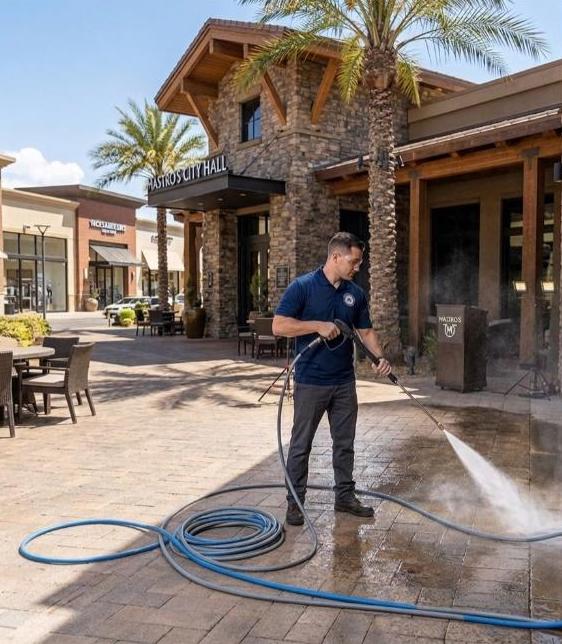

Concrete surfaces around your home or business in Phoenix, AZ, are tough, but they’re not impervious to everything. Chemical spills like battery acid, antifreeze, oil, and rust can leave unsightly and often stubborn stains. While some may attempt DIY solutions, effectively removing chemical stains from concrete, especially those that have deeply permeated the surface, requires a precise approach, specific knowledge of neutralization, and the right equipment. This isn’t just about making it look clean; it’s about proper concrete stain removal to preserve the integrity and appearance of your property.
At AZ Power Clean, we understand the unique challenges these spills present. Our experience in handling everything from residential driveways to industrial concrete cleaning projects has taught us that not all stains are created equal, and not all chemicals respond to the same treatment. We prioritize safety and effectiveness, ensuring that when we remove chemical stains concrete pressure washing techniques are applied with the appropriate detergents and neutralization steps.
The Science Behind Chemical Stains and Their Removal
Identifying Common Chemical Culprits on Your Concrete
Before any cleaning can begin, it’s crucial to identify the type of chemical stain you’re dealing with. Different chemicals react differently with concrete and require specific neutralization and cleaning agents.
- Battery Acid (Sulfuric Acid): Often found in garages or near vehicle parking, battery acid can etch concrete, leaving light-colored, often white or pinkish, powdery stains. It’s highly corrosive and needs immediate neutralization.
- Antifreeze (Ethylene Glycol): While less corrosive than battery acid, antifreeze can leave a sticky, colorful (often green, yellow, or pink) residue that attracts dirt and can be slick. It penetrates concrete quickly.
- Oil and Grease: These are common and create dark, persistent stains. They don’t typically etch concrete but can be very difficult to lift once absorbed, often requiring strong degreasers.
- Rust Stains: Caused by decaying metal objects, rust leaves reddish-brown marks. These are mineral stains, not strictly chemical, but they require specialized acid-based cleaners (often oxalic acid) to dissolve.
Essential Steps for Safe and Effective Chemical Stain Treatment
Safety is paramount when dealing with chemical spills. Always assume the worst and protect yourself and your surroundings.
Neutralizing Battery Acid Stains
Battery acid is highly corrosive. Immediate action is critical to prevent further etching and damage to the concrete. Here’s a general approach:
- Contain the Spill: If the spill is fresh, try to contain it with absorbent materials like kitty litter or sand.
- Neutralize: The most common neutralizer for battery acid is baking soda (sodium bicarbonate). Sprinkle a generous amount over the stain. You’ll often see it fizz, indicating a reaction.
- Add Water: Carefully add a small amount of water to create a paste. Let it sit for at least 15-30 minutes.
- Rinse Thoroughly: After neutralization, rinse the area extensively with clean water. Be mindful of runoff to prevent harming nearby vegetation or contaminating storm drains.
- Assess Damage: Even after neutralization, etching may be permanent, requiring further treatment or a professional assessment.
💡 Key Takeaway: For battery acid, immediate neutralization with baking soda is crucial to minimize concrete etching. Always contain spills and rinse thoroughly, being mindful of runoff.
Tackling Antifreeze and Oil Stains
These stains are less about neutralization and more about absorption and emulsification.
- Absorb Fresh Spills: For fresh antifreeze or oil, cover the spill immediately with absorbent material like kitty litter, sawdust, or specialized oil absorbent. Let it sit for several hours or overnight to soak up as much as possible.
- Apply Degreaser: Once absorbed, sweep up the material. Then, apply a high-quality concrete degreaser directly to the remaining stain. Allow it to dwell according to manufacturer instructions.
- Scrub and Rinse: Scrub the area with a stiff-bristled brush. For tougher stains, a hot water pressure washer can significantly improve results, breaking down and lifting the emulsified oil or antifreeze.
Mandatory Personal Protective Equipment (PPE)
When working with any chemicals, even common household ones, proper protection is non-negotiable. For professional chemical stain removal, we always ensure our crew is equipped with:
- Safety Goggles or Face Shield: To protect eyes from splashes.
- Chemical-Resistant Gloves: Such as nitrile or neoprene, to protect hands from skin contact.
- Long-Sleeved Shirts and Pants: To minimize skin exposure.
- Closed-Toe, Chemical-Resistant Footwear: To protect feet from spills.
- Respirator: If fumes are expected or working in an enclosed space.
💡 Key Takeaway: Always wear appropriate PPE, including eye protection, chemical-resistant gloves, and protective clothing, when handling any chemical spills or cleaners. Safety comes first.
When Are Chemical Stains Permanent?
The unfortunate reality is that some chemical stains, particularly those from strong acids or certain dyes, can permanently alter the appearance of concrete. Understanding the difference between treatable and permanent stains helps set realistic expectations.
| Stain Type | Treatable? | Common Indicators of Permanence |
|---|---|---|
| Battery Acid | Often, but etching may remain. | Deeply pitted concrete, significant discoloration (white/pink) where acid has dissolved cement paste. |
| Antifreeze | Generally treatable. | Faint discoloration after cleaning, especially if left for extended periods, though usually aesthetic. |
| Oil & Grease | Highly treatable with proper degreasing. | Dark shadow remaining after aggressive cleaning, indicating deep penetration into the concrete pores. |
| Rust | Often treatable with rust removers. | Very dark orange/red stain that doesn’t lighten with specific rust treatments, suggesting deep oxidation. |
| Dyes & Paints | Depends on type and age. | Stains that have been absorbed and chemically bonded into the concrete, unremovable without damaging the surface. |
Permanent stains occur when the chemical agent either deeply penetrates the concrete matrix, chemically reacts with the cement paste, or dyes the aggregates themselves. In these cases, the only way to fully “remove” the stain might be through grinding, resurfacing, or applying a new stain/coating over the affected area.
💡 Key Takeaway: Not all chemical stains are fully removable. Acid etching can cause permanent damage, while deep oil penetration might leave a faint shadow. Professional assessment helps determine the best course of action.
The Role of Professional Pressure Washing in Phoenix
While DIY attempts can manage minor, fresh spills, serious chemical stains—especially those that have sat for a while or cover a large area—demand professional intervention. This is where concrete cleaning services like ours come into play.
At AZ Power Clean, we utilize advanced pressure washing equipment, specialized industrial-strength detergents, and hot water systems that significantly outperform consumer-grade washers. Our professional methods allow for:
- Precision Cleaning: We can adjust pressure, temperature, and nozzle types to effectively clean without damaging the concrete.
- Deep Penetration and Extraction: Our hot water and specialized degreasers can penetrate deeper into the concrete pores, emulsifying and lifting absorbed chemicals more effectively.
- Safe Chemical Handling: We understand the correct application and dwell times for various cleaners and neutralizers, ensuring maximum effectiveness with minimal environmental impact.
- Containment and Disposal: Crucially, we have the experience and equipment to contain chemical runoff and dispose of wastewater responsibly, preventing contamination of surrounding areas or storm drains. This is especially important for jobs requiring significant industrial concrete cleaning.
Choose AZ Power Clean for Expert Chemical Stain Removal
When you’re dealing with chemical stains on your concrete, you need a team that knows the science, has the right tools, and prioritizes safety and results. AZ Power Clean has been serving Phoenix and the surrounding areas, providing top-tier pressure washing and concrete cleaning services.
We’ll assess your specific stain, determine the best course of action, and execute a comprehensive plan to remove chemical stains concrete can endure. From neutralizing battery acid to lifting stubborn oil, trust our expertise to restore your concrete surfaces to their cleanest, safest state.
💡 Key Takeaway: For effective and safe removal of stubborn chemical stains, professional concrete cleaning services in Phoenix offer specialized equipment, knowledge of industrial-grade detergents, and responsible waste disposal.
Have questions about professional concrete cleaning in Phoenix? Give us a call today.
Frequently Asked Questions About Concrete Chemical Stains
How quickly do I need to clean a chemical spill on concrete?
As quickly as possible! The longer a chemical sits on concrete, especially corrosive ones like battery acid, the deeper it can penetrate and the more likely it is to cause permanent damage or leave a stubborn stain. Immediate action can significantly improve the chances of complete removal.
Can I just use bleach to clean chemical stains?
Using bleach on chemical stains is generally not recommended, especially without knowing the original chemical. Bleach can react dangerously with certain substances, create toxic fumes, or exacerbate the stain. It’s best to use specific neutralizers or cleaners designed for the type of stain you have.
Is pressure washing alone enough to remove chemical stains?
While pressure washing is a critical component of chemical stain removal, it’s rarely enough on its own. Most chemical stains require pre-treatment with specific neutralizers, degreasers, or specialized cleaning agents to break down or lift the contaminants before pressure washing can effectively rinse them away.
How can I prevent chemical stains on my concrete?
Prevention is key! Consider applying a high-quality concrete sealer to your surfaces, especially in areas prone to spills like garages or workshops. A sealer creates a protective barrier, making the concrete less porous and easier to clean. Also, use drip pans under vehicles and be careful when handling chemicals near concrete.