
In Phoenix, AZ, keeping your property clean and well-maintained is crucial, especially with our intense sun and unique environmental factors. When it comes to deep cleaning, you might hear about hot water vs cold water power washing. But which one is truly right for your property? Understanding the differences isn’t just about water temperature; it’s about achieving the most effective, efficient, and appropriate clean for specific types of grime and surfaces.
At AZ Power Clean, we often get questions about which method to use. The truth is, both hot and cold water power washing have their distinct advantages, and the best choice depends entirely on the job at hand. For most standard residential tasks, cold water power washing is perfectly sufficient and highly effective. However, for specialized commercial applications or stubborn, caked-on messes, the added power of heat can make all the difference, especially when you need our pressure washing services for challenging cleanups.
Understanding the Core Differences in Power Washing Techniques
Cold Water Power Washing: The Everyday Workhorse
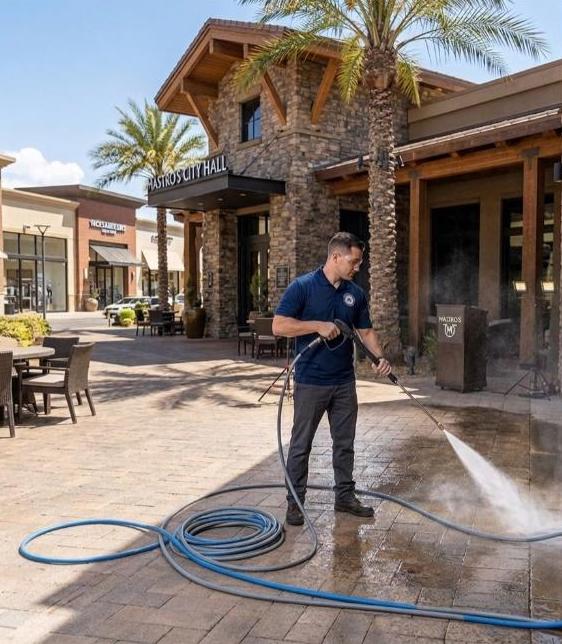
Cold water pressure washing is the most common and versatile method for general cleaning tasks. It relies on high pressure and the sheer force of water to blast away dirt, dust, loose paint, mud, and other superficial grime. Think of it as a super-powered rinse that effectively strips away surface contaminants without the need for heat.
When Cold Water is Your Best Bet:
- General Dirt & Grime: Excellent for removing common dust, pollen, spiderwebs, and light mildew from home exteriors, driveways, sidewalks, and patios.
- Delicate Surfaces: When dealing with painted surfaces, wood decks, vinyl siding, or older masonry, cold water is often the safer choice to prevent damage from excessive heat.
- Cost-Effectiveness: Cold water units are generally less expensive to purchase and operate, as they don’t require a heating element or fuel.
- Routine Maintenance: Ideal for regular upkeep to prevent heavy buildup and keep surfaces looking fresh.
💡 Key Takeaway: Cold water power washing is highly effective for most routine cleaning, dirt removal, and general grime on a wide range of surfaces. It’s the go-to for residential maintenance and less aggressive commercial cleaning.
Hot Water Power Washing: The Grease & Grime Slayer
Hot water power washing combines high pressure with heated water, which can reach temperatures well over 200 degrees Fahrenheit. This added heat isn’t just a luxury; it’s a powerful tool that significantly enhances cleaning power, especially against specific types of contaminants. Think of how much better hot water cleans dishes or laundry compared to cold water – the principle is the same.
When Hot Water is Indispensable:
- Grease and Oil: This is where hot water truly shines. Heat breaks down and emulsifies grease, oil, and other petroleum-based stains, making them much easier to rinse away. Cold water often just spreads these substances around.
- Chewing Gum Removal: Stubborn, baked-on gum can be a nightmare to remove with cold water. Hot water softens the gum, allowing the pressure to easily lift it from concrete and other hard surfaces.
- Sanitization & Sterilization: The high temperatures achieved with hot water power washing can kill bacteria, viruses, mold, and mildew, providing a more hygienic clean. This is critical for certain commercial and industrial applications.
- Heavy Industrial Grime: For machinery, heavy equipment, dumpsters, and commercial kitchens, hot water cuts through layers of caked-on dirt, sludge, and food residues far more effectively and often much faster.
- Paint & Coating Prep: Hot water can strip old paint and coatings more efficiently, preparing surfaces for new applications.
💡 Key Takeaway: Hot water pressure washing is a specialized tool essential for breaking down grease, oil, gum, and for sanitizing surfaces. It offers a deeper, more thorough clean for challenging contaminants.
Comparing Hot Water vs Cold Water Power Washing
To help you visualize the differences, here’s a quick comparison of when to use each method:
| Feature | Cold Water Power Washing | Hot Water Power Washing |
|---|---|---|
| Primary Cleaning Mechanism | High pressure, mechanical force | High pressure + heat (thermal energy) |
| Best For | General dirt, dust, mud, loose grime, light mildew | Grease, oil, gum, stubborn stains, caked-on residue, sanitization |
| Common Surfaces | House siding, concrete patios, wood decks, fences, vehicles | Commercial concrete (drive-thrus, dumpster pads), heavy machinery, industrial floors, food processing areas |
| Cost (Equipment/Operation) | Lower initial investment, lower operating costs | Higher initial investment, higher operating costs (fuel for heater) |
| Efficiency for Specific Stains | Less effective on oil/grease, may require more chemicals or scrubbing | Highly effective on oil/grease, often cleans faster with less chemical use |
💡 Key Takeaway: The choice between hot and cold water power washing is driven by the type of dirt and the desired outcome. Cold water is for surface dirt; hot water targets deeper, tougher, and often organic contaminants.
Cost Considerations for Commercial Cleaning Equipment
While a DIY cold water pressure washer might seem like an accessible option for homeowners, commercial cleaning equipment for both hot and cold water power washing represents a significant investment. Hot water units, in particular, are more complex, requiring a burner and fuel source (like diesel or natural gas) to heat the water. This translates to:
- Higher Purchase Price: Hot water units are inherently more expensive to buy than their cold water counterparts.
- Increased Operational Costs: Beyond the water and electricity, hot water units consume fuel to heat the water, adding to the overall cost per job.
- Maintenance: The heating elements and additional components of a hot water system require more specialized maintenance.
For businesses in Phoenix, understanding these cost differences is vital. While hot water power washing might have a higher per-job cost, the superior cleaning, sanitization, and efficiency it offers for certain applications often provide a better return on investment by delivering a truly comprehensive clean.
Industries That Benefit Most from Hot Water Pressure Washing
Certain industries and commercial properties in Phoenix find hot water power washing to be not just beneficial, but essential:
- Restaurants & Food Service: For cleaning drive-thrus, dumpster pads, exterior walls of kitchens, and grease traps, hot water is critical for dissolving oil and sanitizing.
- Automotive & Transportation: Vehicle fleets, mechanic shops, and car wash bays often deal with heavy oil, grease, and road grime that only hot water can effectively remove.
- Industrial & Manufacturing: Cleaning heavy machinery, factory floors, warehouses, and equipment that accumulates lubricants, coolants, and other stubborn industrial residues.
- Healthcare & Public Facilities: Where sanitization is paramount, hot water power washing can help maintain hygienic standards on exterior surfaces, walkways, and loading docks.
- Property Management: For tackling deeply stained sidewalks, removing chewing gum, or preparing surfaces for resurfacing in commercial complexes.
💡 Key Takeaway: For businesses dealing with grease, oil, gum, or strict hygiene requirements, investing in or hiring professionals with hot water power washing capabilities is almost always the smarter, more effective long-term solution.
Making the Right Choice for Your Phoenix Property
Deciding between hot and cold water power washing comes down to assessing your specific cleaning needs. Is it routine dirt and dust? Or are you facing stubborn oil stains, caked-on grease, or the need for deep sanitization? In Phoenix, where intense heat can bake grime onto surfaces, the power of hot water often becomes even more advantageous for tougher jobs.
At AZ Power Clean, we utilize professional-grade commercial cleaning equipment for both hot and cold water applications. Our team of experts understands the unique challenges of maintaining properties in the desert climate and can recommend the most appropriate and effective power washing method to restore your property’s appearance and cleanliness.
Have questions about professional concrete cleaning in Phoenix? Give us a call today.
Frequently Asked Questions About Power Washing
Is hot water power washing safe for all surfaces?
While powerful, hot water power washing requires professional expertise. Certain delicate surfaces, aged materials, or specific types of paint may be damaged by high temperatures or excessive pressure. An experienced technician will assess the surface and choose the appropriate temperature and pressure settings.
Can cold water pressure washing remove mold and mildew?
Cold water power washing can effectively remove surface mold and mildew, especially when combined with appropriate cleaning solutions. However, for deep-seated mold or to kill spores for better long-term prevention, hot water can be more effective due to its sanitizing properties.
How often should I have my commercial property power washed?
The frequency depends on your industry, location, and the type of grime your property accumulates. High-traffic areas, food service establishments, or properties exposed to heavy pollution may benefit from monthly or quarterly cleanings, while others might only need it once or twice a year. A professional assessment can help determine the ideal schedule.
Is hot water pressure washing more environmentally friendly?
In some cases, yes. The heat can significantly reduce the need for harsh chemical detergents, and often cleans faster, potentially using less water overall for a given stubborn stain. However, the fuel burned to heat the water is an environmental consideration.